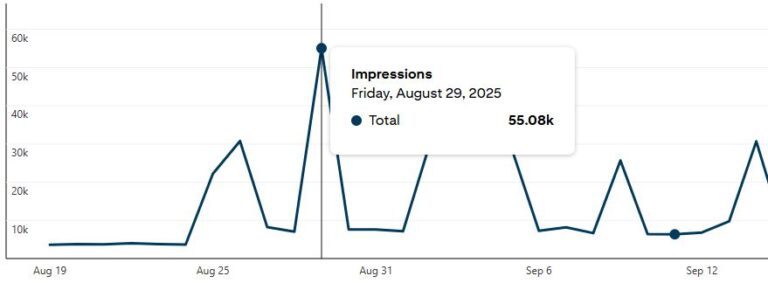
Pinterest isn’t just “another social network.” It’s a visual search engine with buyers who arrive primed to act. Master its ranking signals and you’ll tap intent-rich, compounding traffic for blogs, ecommerce, and creators alike.
1) What Is Pinterest SEO?
Pinterest SEO is the process of making your profile, boards, and pins discoverable for the searches Pinners already make, then earning saves, clicks, and conversions.
Think of it like Google, but visual: keywords still matter, yet imagery, engagement, and freshness carry outsized weight. The reward? Long-tail visibility that compounds as your catalog of pins grows.
2)How Pinterest Search Works (Core Signals)
Pinterest won’t publish the full recipe, but years of testing show four reliable pillars:
- Relevance
Match the searcher’s intent with exact phrasing in your pin titles, descriptions, board names, alt text, and even on-image text. Surround pins with semantically related terms (synonyms, modifiers, seasonality). - Quality
Clear, compelling imagery (mobile-first aspect ratios), readable text overlays, and strong creative consistency. High-quality destinations (fast, trustworthy pages) reinforce quality. - Engagement
Early saves, clicks, close-ups, and completion on Idea Pins. Your pinner quality, consistent posting, low bounce on destination URLs, and healthy account history, feeds this. - Freshness
Pinterest favors fresh URLs + fresh images. New creative variations (not just re-pins) accelerate distribution.
Pinterest SEO (Quick cheat sheet)
| Signal | What to do | What to avoid |
|---|---|---|
| Relevance | Use primary keyword in title, description, on-image | Vague titles (“My favorite thing”) |
| Quality | 1000×1500px+, crisp imagery, brand palette | Low-res, cluttered text blocks |
| Engagement | Strong hooks, actionable promises, clear CTA | Generic visuals with no benefit |
| Freshness | New creatives weekly, seasonal calendars | Recycling the same image endlessly |
3) Set the Foundation (Accounts, Claiming, Rich Pins)
- Switch to a Business Account (or convert yours). Unlocks Analytics, Ads Manager, and advanced formats.
- Claim your website. This ties domain authority to your account and enables site-level signals.
- Activate Rich Pins (article/product/recipe). Pinterest can pull title, description, price/availability right from your page markup, boosting relevance and CTR.
- Add the Save button on-site so visitors create natural distribution for you.
- Install Pinterest Tag if you sell anything. It powers conversion tracking, retargeting, and better optimization data.
Here is Pinterest Profile Optimization Guide
4) Pinterest Keyword Research (Fast, Free, Repeatable)
You don’t need expensive tools. Use Pinterest’s own user intent:
Method A: Autocomplete Mining
Start typing your seed term in Pinterest search (e.g., “Pinterest SEO”, “wall décor ideas”). Note the exact phrases and modifiers Pinterest suggests—these are real demand queries.
Method B: Guided Bubbles (Related Topics)
After a search, Pinterest shows tappable topic chips. Capture those as secondary keywords and add them to board descriptions and pin copy.
Method C: Pin/Board Competitor Teardowns
Open top-ranking pins in your niche. Reverse-engineer title formulas, descriptors, and design patterns. Log recurring keywords, colors, and text overlays.
Method D: Seasonality Map
Pinterest traffic surges ahead of events. Build a simple sheet with calendar lanes: New Year, Ramadan/Eid, Mother’s Day, Summer, Back-to-School, Halloween, Holiday. Plan creative 6–8 weeks before the peak.
Deliverables from research:
- Primary keyword for each board
- 3–6 supporting keywords per board
- 5–10 pin ideas per board (titles + hooks)
Pinterest Keyword Research masterclass video from Pinvertix
5) Optimize Profile, Boards, and Pins
Profile
- Display name: Brand + primary keyword (e.g., “Crivva — Pinterest SEO & Creator Growth”).
- Bio: 1–2 lines with your value promise + 2 topical keywords.
- Cover: A branded collage or your top-performing pin style.
Boards
- Naming formula: Primary keyword + qualifier
- “Pinterest SEO for Bloggers”, “Minimalist Living Room Ideas”
- Descriptions: 1–3 sentences, natural language, include secondary terms.
- Curation: Keep boards tightly scoped; archive off-topic boards that dilute relevance.
Pins (Static, Video, Idea)
- Title formula:Primary keyword + clear benefit
- “Pinterest SEO Checklist: Rank Faster in 30 Minutes”
- Description: 2–3 sentences using related phrases and a soft CTA (“see steps,” “download template”).
- Creative: Vertical (2:3), high contrast, 1 big promise, legible fonts, brand color bar.
- On-image copy: Make the pin self-explanatory without reading the caption.
- Destination match: Title/hero on landing page should mirror the pin’s promise.
Pro tips
- Create 3–5 creative variations per URL (color swaps, headline twists).
- Lead with benefit nouns (“checklist,” “blueprint,” “formula”)—they drive saves.
- Use UTMs on URLs to track Pinterest traffic by campaign/creative.
6) Content System: Fresh Pins & Formats
Consistency beats bursts. A lean system:
- Cadence: 3–5 fresh pins per day (or batch 20–30 weekly and schedule).
- Mix: 60% evergreen, 30% seasonal, 10% experimental formats.
- Formats:
- Static pins—fast production, broad coverage.
- Video pins—demonstrations, before/after, quick tutorials.
- Idea pins—multi-page stories; use step-by-step visuals and final CTA to profile or product.
- Series naming: Repeatable theme + number (“SEO Tip #07”), trains the audience to collect.
7) On-Site Optimization for Pinterest Traffic
Pinterest scores the destination:
- Page speed & mobile UX: Fast, scannable pages keep visitors engaged (reduces bounce).
- Headline match: Repeat the pin’s promise in your H1 or hero area.
- Imagery: Use the same hero image family as your pin for visual continuity.
- Alt text: Describe the image in human language including the primary keyword.
- Content depth: Deliver the goods—checklists, templates, steps. Pinterest traffic is action-oriented.
- Save triggers: Add “Pin it” buttons near images and at the end of posts.
8) Analytics & KPIs That Actually Matter
Measure what compounds:
- Impressions → Are we matching demand? (Relevance/freshness)
- Saves → Do people want to keep this? (Quality/value)
- Outbound clicks → Does the promise earn the click? (Hook/CTA)
- Top boards & pins → Where is theme-market fit strongest?
- On-site behavior (via UTM + analytics) → Bounce, time on page, conversions
Optimization loop
- Sort pins by saves and CTR.
- Clone top designs; test new headlines or colors.
- Rewrite weak descriptions with tighter keywords + clearer benefit.
- Prune underperforming boards; double down on winners.
9) Advanced Plays: Rich Pins, Seasonality, Ads Synergy
- Rich Pins: For blogs, “Article” Rich Pins inject headline/meta; for stores, Product Rich Pins surface live price/availability—a CTR booster.
- Seasonality flywheel: Publish 6–8 weeks early, then repurpose winners next year with refreshed art and updated hooks.
- Lookalike expansion (Ads): Top organic savers = seed audiences for consideration or conversion campaigns. Promote only already-proven pins.
- Creative templates: Lock your brand’s top 2–3 templates and scale production—design once, fill often.
- Topic clusters: Build multi-board clusters around a pillar (e.g., Pinterest SEO Basics, Keyword Research, Pin Design, Analytics). Interlink internally via descriptions.
10) Your 30-Day Action Plan
Week 1 — Foundation & Research
- Convert to Business, claim site, enable Rich Pins, install Save button.
- Build a keyword map: 6–10 boards with primary + secondary terms.
- Draft pin titles (10–20) from autocomplete and competitor patterns.
Week 2 — Build Boards & First 40 Pins
- Create boards with optimized names/descriptions.
- Design 4 pin templates (headline-first, listicle, tutorial, product).
- Publish 40 fresh pins (4 variations × 10 URLs) and schedule remainder.
Week 3 — Improve Creatives & Landing Pages
- Audit top landing pages for speed, H1 match, visual continuity, Save buttons.
- Produce video/Idea pin versions of your best 10 pins.
- Start seasonal content lane (one upcoming event/holiday).
Week 4 — Analyze & Scale
- Pull analytics: top boards/pins by saves, CTR, outbound clicks.
- Clone 5 winners with A/B headline and color variants.
- Optional: Promote 3 best-performing pins with small ad budgets to discover new audiences.
Copy-and-Paste Templates
Board name formulas
- [Primary Keyword] + for + [Audience] → “Pinterest SEO for Bloggers”
- [Primary Keyword] + Tips → “Minimalist Bedroom Tips”
- [Primary Keyword] + Ideas → “Holiday Gift Ideas Under $50”
Pin title formulas
- [Result] in [Timeframe] → “Rank on Pinterest Faster—in 30 Minutes a Week”
- [Number] + [Outcome] → “7 Pinterest SEO Fixes That Double Saves”
- [Audience] + [Benefit] → “Ecommerce Stores: Pinterest SEO That Converts”
Pin description skeleton (≈250–400 chars)
Clear promise using your primary keyword. Add 2–3 related phrases naturally (no stuffing). End with a soft CTA like “See the full checklist” or “Get the template”.
Common Mistakes (and the Fix)
- Stuffing keywords into every field → Fix: write for humans; use a single clear primary and a few natural variants.
- Re-pinning the same image to dozens of boards → Fix: prioritize fresh creatives and tight board relevance.
- Weak landing pages that don’t match the pin → Fix: mirror headline/visuals; deliver skimmable value quickly.
- Inconsistent posting → Fix: batch weekly, schedule daily.
- Ignoring UTMs → Fix: tag every URL; you can’t scale what you can’t measure.
Final Word
Pinterest rewards brands that align clear intent + useful visuals + steady freshness. Nail your foundations, build keyword-tight boards, ship fresh creative weekly, and let data steer the compounding: more saves → more distribution → more clicks → more revenue.
If you want, I can turn this into a ready-to-publish blog post with images, on-image headline templates, and a 12-month seasonality calendar tailored to your niche.